![Saucony Endorphin Speed 4 Running Shoes [10 styles] | 7782804520](/products/5d3f08915976.jpg)
Saucony Endorphin Speed 4 Running Shoes [10 styles] | 7782804520
¥258 CNY
≈ €33 · £28 · $38
Find an item first. Then understand the separate steps for item payment, warehouse receipt and international delivery.
220 catalogue items · prices in CNY · approximate EUR, GBP and USD reference conversions
![Lacoste Classic Crocodile Pattern T-Shirt/Shorts Set [34 styles] | 7754457280](/products/3bab0ca4e355.jpg)
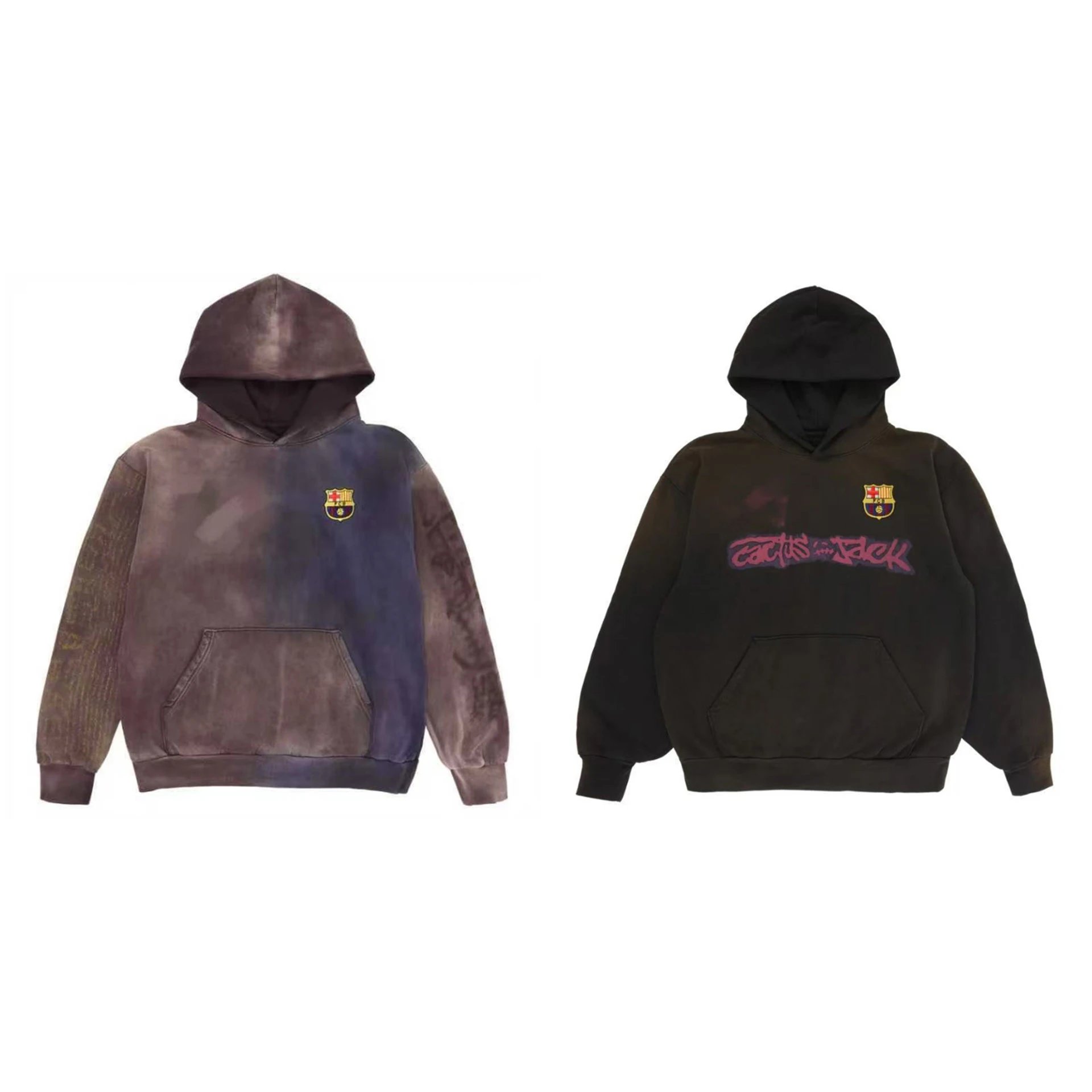
![GG Supreme Umbrella [3 styles] | 7757299954](/products/36998a093392.jpg)
![Nike Mercurial Superfly FG Soccer Cleats [12 styles] | 7757317652](/products/4a5ce8860c47.jpg)

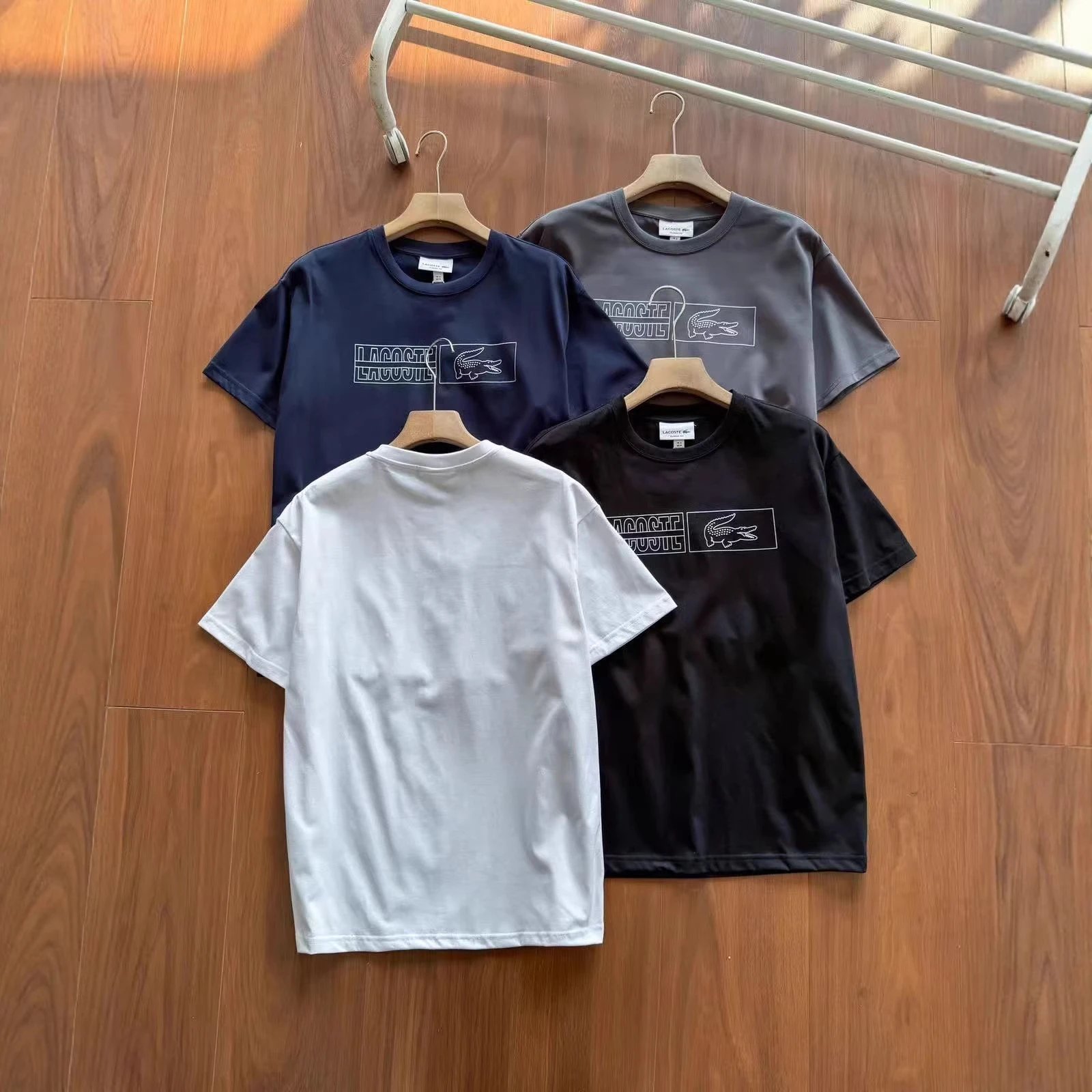
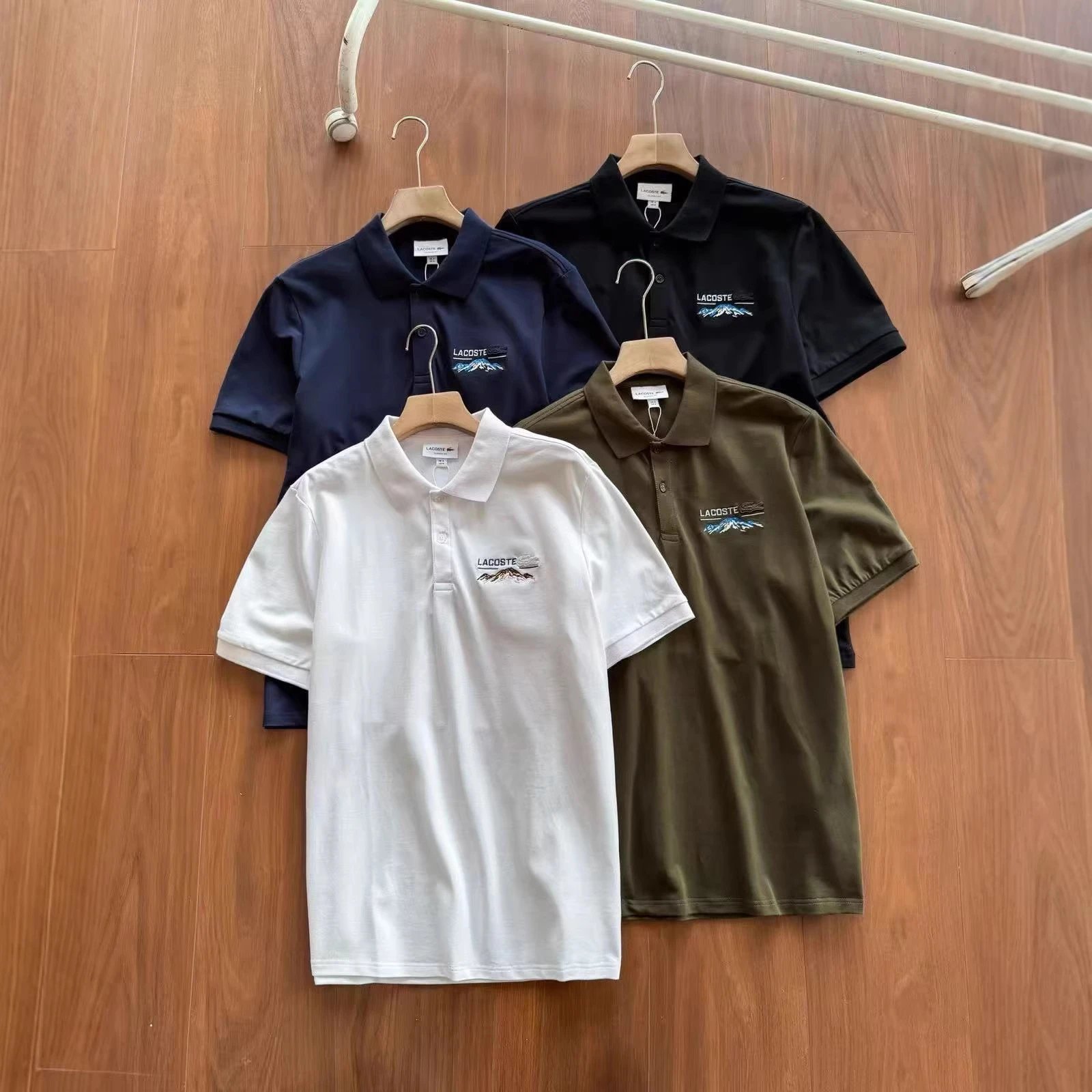
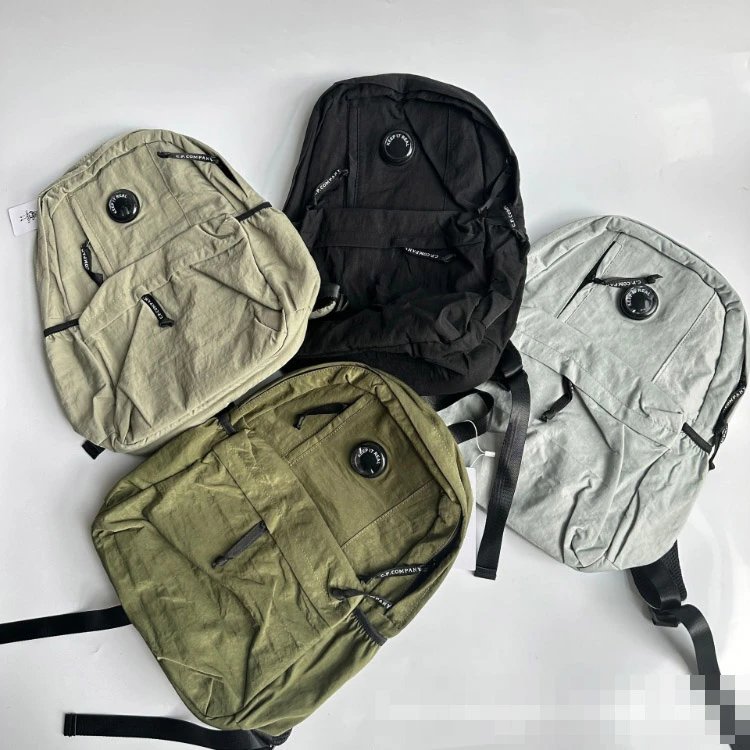
![Nike Air VaporMax Plus Sneakers [17 styles] | 7571288156](/products/ec345477f9c6.jpg)
![Luxury Designer Mini Crossbody & Shoulder Bags [30 styles] | 7522645506](/products/96d59348da0e.jpg)
![Louis Vuitton Crab Motif Silk Tie [3 styles] | 7757222830](/products/7847098cacb2.jpg)
![Coach Archive Graphic T-Shirt [4 styles] | 7753142456](/products/b5c504d3b7ef.jpg)


![Nike Air Jordan 1 Low Sneakers [10 styles] | 7782832096](/products/792c2dcb521d.jpg)
Review the listing, options and domestic delivery before item payment.
The seller sends the item domestically to the OrientDig warehouse.
Warehouse receipt and visible-detail inspection happen before parcel submission.
Choose eligible items, destination and delivery line, then pay international delivery.
Local shipment means the seller is sending your item to the warehouse. A stored item can be selected for a parcel; it has not yet started international delivery.
Understand order statuses →Cards retain the price in Chinese yuan. EUR, GBP and USD amounts are approximate reference conversions using ECB rates dated 2026-09-03; they exclude domestic delivery, services, international delivery, taxes and checkout exchange charges.
See the cost breakdown →The first covers the item and Chinese domestic delivery shown at that stage. International parcel delivery is selected and paid after warehouse arrival.
No. It means the item is stored and available to include when you submit a parcel.
Check the live OrientDig payment screen for your account and destination. Available options can change.
The rules of the destination where the parcel is imported. Recheck that jurisdiction’s current customs guidance.